
You’re scrolling through listings, looking for a used laptop. You see dozens of options, different prices, different sellers, and different conditions. Some have clear photos, others don’t. Some descriptions are detailed, others are vague.
You open a few tabs, compare, hesitate, and close them all. An hour later, you’re still browsing.
This is how most people shop online now. They don’t lack options, they have too many. The real challenge isn’t finding something to buy. It’s deciding what’s worth buying and who’s worth trusting.
In 2026, buyer behaviour has shifted. People don’t just want good deals, they want clarity, speed, and less friction. Understanding how buyers make decisions helps you sell items fast, especially when you buy and sell locally through Sympl Classifieds.
Why Buyers Take Longer to Decide in 2026
A few years ago, buyers looked at price and photos, then made a call. Today, the process is slower and more cautious.
Here’s what’s changed:
Too many choices. Every category has hundreds of listings. Buyers feel overwhelmed before they even start comparing.
Trust issues. People have been misled by fake photos, exaggerated descriptions, or sellers who don’t respond after initial contact.
Platform clutter. Big marketplaces mix sponsored ads, retail products, and personal listings. Buyers can’t tell what’s a genuine second-hand item and what’s being pushed by an algorithm.
Time pressure. People browse during commutes, lunch breaks, or late at night. They want quick answers, not long research sessions.
The result? Buyers hesitate. They save listings, message multiple sellers, and ghost conversations. Not because they’re not interested but because they’re not sure.
What Buyers Actually Look for Before Making a Purchase
Understanding buyer priorities helps you create listings that convert browsing into buying. Here’s what matters most in 2026.
1. Clear, Honest Visuals
Buyers want to see exactly what they’re getting. Multiple photos from different angles build confidence. A single blurry image makes them skip to the next listing.
If you’re selling a washing machine, show the control panel, the drum, the back, and any scratches or stains. Honesty speeds up decisions.
2. Accurate Descriptions Without Fluff
Buyers don’t need storytelling. They need facts: brand, model, age, condition, reason for selling, and what’s included.
Instead of “Amazing bike in great condition,” write “Hero Splendor, 2019 model, 32,000 km, single owner, serviced last month, minor scratches on left panel.”
Specific details answer questions before they’re asked.
3. Realistic Pricing
Buyers compare prices across listings. If your price is too high without justification, they move on. If it’s too low, they get suspicious.
Check what similar items are listed for in your area. Price slightly below if you want faster responses, or stay competitive if you’re not in a hurry.
4. Quick, Direct Communication
Buyers expect replies within hours, not days. If they message five sellers and you’re the first to respond clearly, you’re already ahead.
Short, helpful answers work better than long explanations. “Yes, it’s available. You can come see it tomorrow after 6 PM in Kondapur” is better than “Thanks for your interest, let me know when you’re free and we can discuss further.”
5. Local Availability
In 2026, buyers prefer meeting nearby sellers. It’s faster, safer, and lets them inspect the item before paying.
Mentioning your locality in the title and description helps the right buyers find you. “Study table, like new, available in Madhapur” works better than just “Study table for sale.”
6. Proof of Usage or Condition
Buyers trust listings that show the item in context. A photo of a cycle helmet on a shelf is fine. A photo of it next to a bike with a receipt or purchase date is better.
If you have the original box, bill, or warranty card, mention it. These small details reduce doubt.
How Purchase Decisions Happen on Sympl Classifieds
When you buy and sell locally through classifieds, the buyer journey is shorter and more focused. There are no endless scrolling feeds, algorithm-driven suggestions, or retail distractions.
Here’s how it typically works:
The buyer searches for something specific. They’re not browsing randomly, they need a fridge, a phone, or a dining table.
They filter by location and price. Listings outside their area or budget get ignored immediately.
They open 3–5 listings that look clear and credible. Good photos and straightforward titles get clicked first.
They message 1–2 sellers. Usually, the ones who seem easiest to deal with are based on the listing quality.
They decide within a day or two. If the seller responds quickly and the item matches expectations, the deal happens fast.
This process works because it’s direct. No intermediaries, no sponsored clutter, no fake urgency tactics. Just local buyers and sellers connecting over real items.
Trends Shaping Buyer Behaviour in 2026
1. Preference for Hyper-Local Deals
Buyers don’t want to travel across the city or wait for shipping. They search within 5–10 km of their location and prioritise sellers they can meet in person.
If you’re in Whitefield and listing a sofa, buyers in Whitefield or nearby areas like Marathahalli will respond faster than someone in Jayanagar.
2. Shorter Attention Spans
People scroll fast. If your listing doesn’t make sense in 3 seconds, they move on. Clear photos and a specific title are now essential, not optional.
3. Increased Scepticism
Buyers are more cautious about scams, misleading photos, and overpriced items. They cross-check listings, ask detailed questions, and hesitate before committing.
Transparency wins trust. If your fridge has a scratch, show it. If your phone’s battery backup is average, mention it. Honesty shortens the decision cycle.
4. Direct Chat Over Calls
More buyers prefer texting or messaging before calling. They want to confirm availability, location, and basic details without a phone conversation.
Keep your responses clear and complete. “Yes, available. ₹8,500 final price. You can see it anytime in the evening in Kukatpally” answers most follow-up questions upfront.
5. Value Over Brand New
Buyers in 2026 are comfortable with second-hand items as long as they’re functional and fairly priced. The stigma around used goods is fading, especially among students and young professionals.
Low-cost buying isn’t about compromise anymore. It’s about smart spending.
How to Help Buyers Decide Faster
If you want to sell items fast, make the decision easy for buyers. Here’s what works:
Use multiple clear photos. Show condition, size, and included items.
Write specific, factual descriptions. Avoid vague terms like “good condition” or “barely used.” Say “used for 6 months, no scratches, works perfectly.”
Respond quickly. Even a simple “Yes, still available” within an hour makes a difference.
Mention your locality upfront. Don’t make buyers dig through the description to find out where you are.
Be flexible with viewing times. Buyers appreciate sellers who accommodate evening or weekend visits.
Price fairly. Check similar listings and stay realistic. Overpricing slows everything down.
Cost & Time Benefits for Both Buyers and Sellers
When buying and selling happen locally, both sides save time and money.
For buyers:
- No delivery charges or shipping delays
- Can inspect the item before paying
- Avoid inflated prices common on large marketplaces
- Deal directly with the owner, not a middleman
For sellers:
- No listing fees or commission cuts
- Faster responses from serious buyers
- Less haggling when pricing is transparent
- No packaging or courier hassles
Sympl classifieds removes unnecessary steps. You list, someone nearby sees it, you both connect, and the deal happens. That’s it.
Who Benefits Most From Understanding Buyer Behaviour?
Students
Buying used textbooks, electronics, or furniture on a tight budget. Knowing how to present listings clearly helps sell old items faster when moving out or upgrading.
Families
Selling outgrown baby gear, appliances, or home items. Understanding what buyers look for means fewer delays and more serious inquiries.
Working Professionals
Relocating frequently and need to sell bikes, laptops, or furniture quickly. Clear listings attract local buyers who can close deals within days.
First-Time Sellers
If you’ve never sold anything online, knowing what buyers care about removes guesswork. You don’t need marketing skills, just honesty and clarity.
Final Thoughts
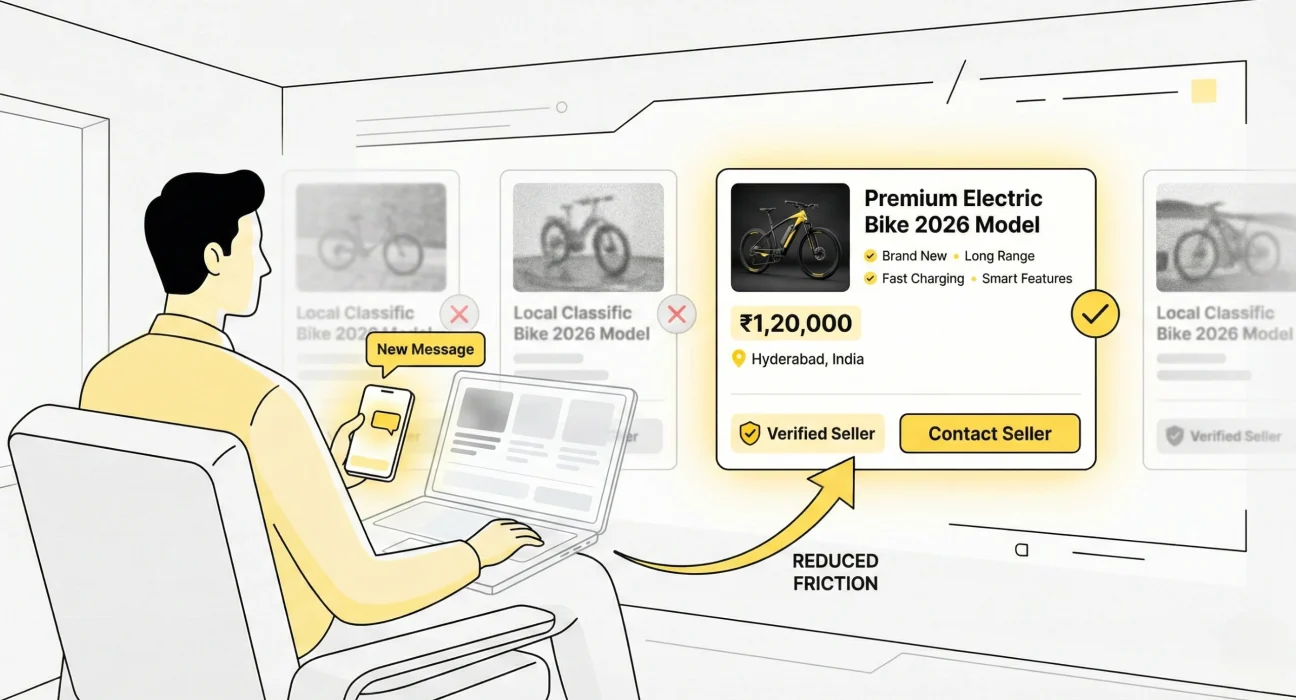
Buyers in 2026 aren’t impulsive. They’re careful, informed, and looking for the easiest path from browsing to buying. The faster you can answer their questions and ease their doubts, the faster they’ll commit.
Understanding how decisions happen helps you create listings that work. It’s not about tricks or perfect photos, it’s about being clear, accessible, and trustworthy.
Whether you’re buying a second-hand phone or selling an old dining table, the principle is the same: remove friction, stay transparent, and make it easy for the right person to find you.
Local buying and selling works because it’s built on real interactions, not algorithms. When both sides understand what the other needs, deals happen naturally and quickly.