

You bought your sofa three years ago for ₹35,000. It’s still in decent shape, so you list it for ₹25,000. That feels fair to you – it’s nearly 30% off the original price. Two weeks have passed. A few people message asking if you’re flexible on price. One person comes to see it, looks around, and leaves without saying much. No one’s buying. Meanwhile, your neighbour sold a similar sofa in three days for ₹15,000.
Here’s what happened: you priced based on what you paid, not on what the item is worth now. And in the second-hand market, those are two very different things. Overpricing doesn’t just slow down sales – it often kills them completely. Buyers scroll past, assume you’re not serious, or wait for you to drop the price out of desperation.
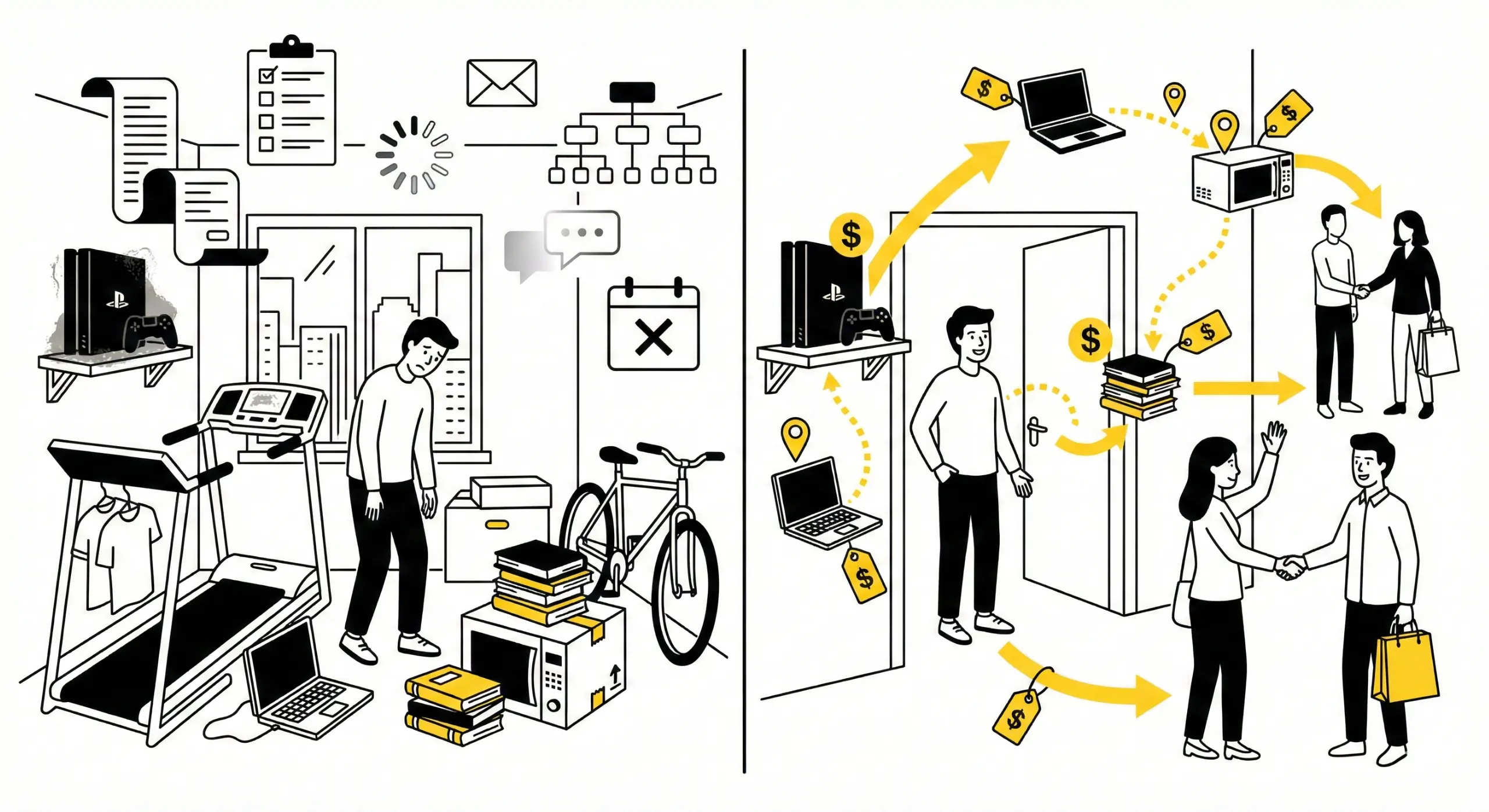
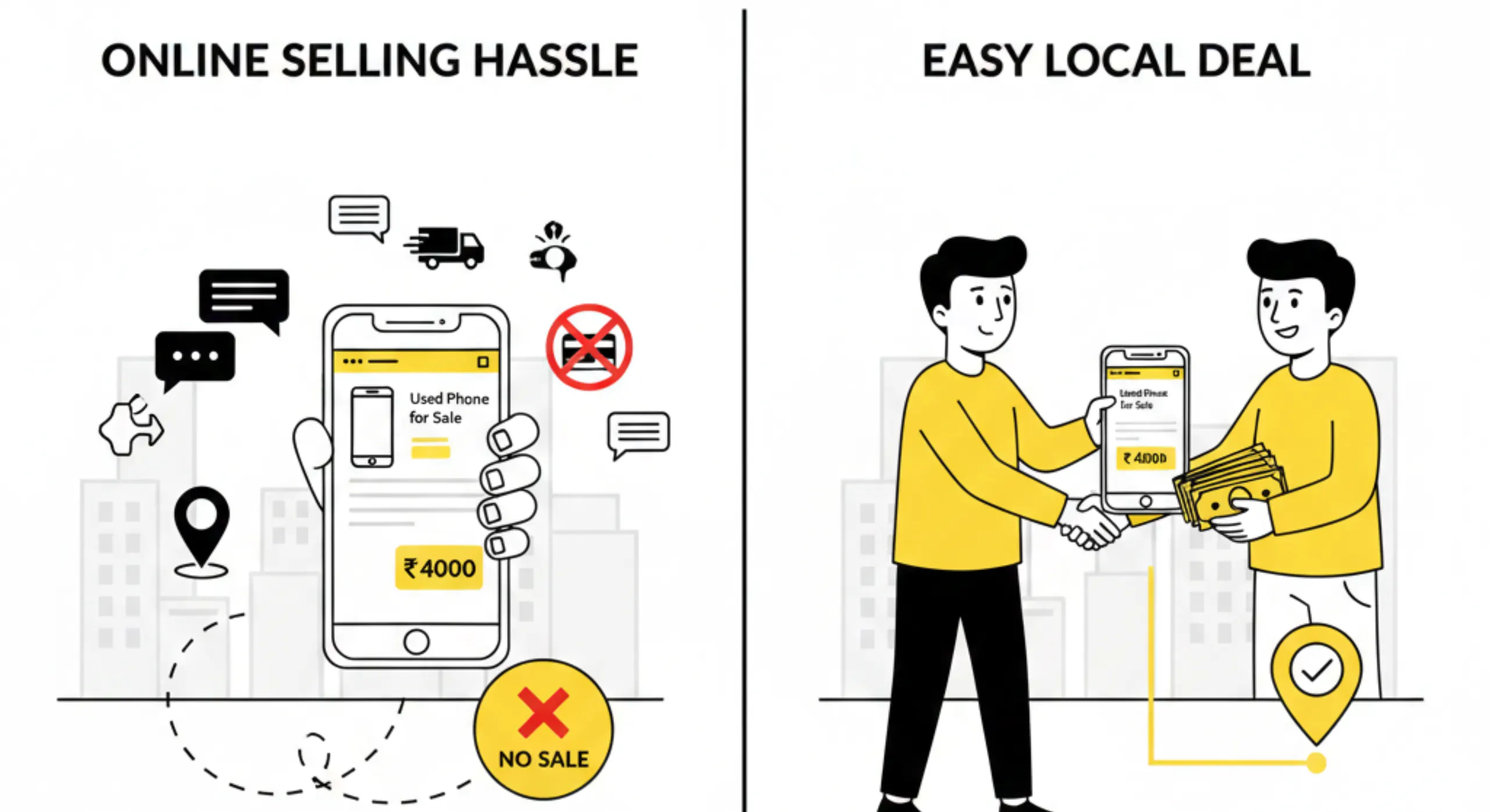
When you buy and sell locally through simple classifieds like Sympl, you get clearer feedback on realistic pricing. You see what similar items are actually selling for nearby, and you can adjust before wasting weeks on a listing that’s going nowhere.
Why Sellers Overprice Without Realising It
Most people don’t intentionally overprice. They just make assumptions that don’t match the market.
They remember what they paid, not what it’s worth now
You bought a phone for ₹40,000 two years ago. In your mind, it’s still a high-value item. So you list it for ₹30,000, thinking that’s reasonable. But a newer model is now available for ₹35,000. Or the same model is selling second-hand locally for ₹20,000 because everyone’s upgrading.What you paid originally doesn’t matter to buyers. They care about what they can get the same item for today.
They compare to new prices instead of second-hand rates
You see your washing machine listed online for ₹25,000 brand new. You figure yours, which is two years old, should be worth ₹18,000. But buyers looking for second-hand washing machines aren’t comparing to new prices. They’re compared to other used options – and those might be listed at ₹12,000 or ₹15,000 locally. If your price is closer to new than to other second-hand listings, buyers assume you’re out of touch.
They don’t account for condition honestly
You think your bike is in great shape. To you, it looks fine. But buyers see scratches, worn tyres, or a seat that’s lost its padding. They factor in the cost of repairs or replacements, and suddenly your price doesn’t feel fair. Sellers often overlook flaws because they’re used to them. Buyers notice everything.
They hope someone will just pay the asking price
Some sellers price high deliberately, thinking they’ll negotiate down. But this backfires. Buyers who see an overpriced listing don’t message to negotiate they just move on to the next seller. They assume you’re inflexible or unrealistic, and they don’t want to waste time.
When you buy and sell locally, overpricing is more visible because buyers can easily compare your item to others nearby. If your fridge is listed at ₹15,000 and three similar ones are available for ₹10,000, buyers won’t even bother messaging you.
What Happens When You Overprice
Your listing gets ignored
Buyers filter by price. If your item is significantly higher than comparable options, it doesn’t even show up in their search results or if it does, they scroll past it.
On platforms with lots of listings, being overpriced means being invisible.
You attract only lowball offers
The few buyers who do message are bargain hunters who see your high price as an opportunity to lowball aggressively.
“You’re asking ₹20,000, I’ll give you ₹8,000.”
These aren’t serious buyers. They’re testing how desperate you are. And because your listing has been sitting for weeks, they assume you’ll accept anything.
This creates a frustrating cycle where you’re only hearing from people trying to take advantage, not from genuine buyers willing to pay fair prices.
You lose credibility
When buyers see a listing that’s been up for weeks at the same high price, they assume something’s wrong with the item.
“If it’s so good, why hasn’t anyone bought it yet?”
Even if your item is in excellent condition, the long listing time makes buyers suspicious. Overpricing damages your credibility before buyers even contact you.
You end up reducing the price anyway but later
Eventually, most sellers realise their price isn’t working and reduce it. But by then, the listing is stale, and buyers have already moved on.
You could have sold at ₹15,000 in the first week. Instead, you drop to ₹12,000 after three weeks and still struggle to find buyers because your listing has lost momentum.
Starting with realistic pricing saves time and gets better results.
How to Avoid Overpricing and Sell Items Fast
Research what similar items are selling for locally
Before you list anything, check what comparable items are going for in your area not across the country, but specifically nearby. Look at simple classifieds, local groups, or platforms like Sympl that focus on your city or neighbourhood. Don’t just look at asking prices. If possible, try to see what’s actually sold. An item listed at ₹20,000 that never sells isn’t worth ₹20,000 in your market.
Be realistic about age and condition
A three-year-old laptop isn’t worth what a one-year-old laptop is worth, even if it’s the same model. Visible wear, missing accessories, or small functional issues all reduce value. Price accordingly. If your item has flaws, mention them in the listing and adjust the price to reflect them. Buyers appreciate honesty and are more likely to pay what you’re asking if they know exactly what they’re getting.
Price slightly below the market average
If you want to sell items fast, price just below what similar items are listed for locally. This doesn’t mean undervaluing your item, it means being competitive. A small difference can push hesitant buyers to choose your listing over others. If three sofas like yours are listed at ₹14,000, pricing yours at ₹13,000 makes it the obvious choice for buyers comparing options.
Factor in urgency
If you need to sell quickly moving cities, clearing space, need cash soon price for speed, not for maximum value. A fair price that sells in three days is better than a slightly higher price that takes three weeks and eventually gets reduced anyway.
Don’t price based on emotional attachment
You loved that bike. It was your first vehicle. It has sentimental value. Buyers don’t care. They’re evaluating it as a functional item, not a memory.Price based on market value, not personal attachment.
How Local Buying and Selling Helps You Price Realistically
You see what’s actually moving in your area
When you use local classifieds, you’re not looking at national averages that don’t apply to you. You’re seeing what people in your city are actually paying. This gives you a realistic baseline. You know what works and what doesn’t. Platforms like Sympl make this easier by focusing on nearby transactions, so the pricing data you see is relevant to your market.
Buyers provide direct feedback
When you sell locally, buyers who visit to inspect the item will tell you if your price feels off.
“There’s a similar fridge for ₹9,000 two streets away.”
This kind of feedback is valuable. It helps you adjust quickly instead of sitting on an overpriced listing for weeks.
Faster comparison leads to faster sales
Because local buyers are comparing items within a small geographic area, pricing differences are obvious. If you’re competitive, you’ll get inquiries fast. If you’re overpriced, you’ll know within days instead of weeks. This feedback loop helps you correct the course before wasting too much time.
Trust builds when pricing is transparent
Local buyers and sellers develop a sense of what’s fair because they’re operating in the same market. When both sides understand local pricing norms, negotiations are smoother and deals close faster. Overpricing stands out in this environment, and so does fair pricing. Buyers recognise when someone’s being reasonable, and they respond accordingly.
Cost and Time Benefits of Realistic Pricing
You sell faster and move on
Every extra week your item sits unsold is a week you’re dealing with it fielding messages, managing inquiries, waiting. Pricing realistically from the start means you’re done in days, not weeks. You recover value, clear space, and move on with your life.
Buyers get better deals without the wait
For buyers, low-cost buying happens when sellers price fairly and everyone can move quickly.You don’t have to wait for desperate sellers to drop their prices. You find good deals upfront and close the transaction without drama.
Less frustration for everyone
Overpricing creates frustration on both sides. Sellers get lowball offers and feel disrespected. Buyers waste time on unrealistic listings. Fair pricing keeps things simple and respectful. Both sides win.
Who Benefits Most from Avoiding Overpricing?
Students selling before relocating
You’re moving out soon and need to sell furniture, electronics, or bikes quickly. Overpricing just means you’ll be stuck packing and moving items that should have sold weeks ago. Pricing fairly from the start gets you cash in hand and saves the hassle of last-minute fire sales.
Families clearing out household items
Parents selling kids’ outgrown toys, upgrading appliances, or downsizing don’t have the luxury of waiting forever for the “perfect” buyer. Realistic pricing attracts serious buyers quickly, so you can get back to more important things.
Working professionals with no time to spare
You don’t have evenings and weekends to spend re-listing, adjusting prices, and managing endless inquiries. Start with a fair price and sell items fast through simple classifieds. Done.
First-time sellers unsure about pricing
If you’ve never sold anything before, it’s easy to guess wrong. Using local classifieds helps you see what’s realistic so you don’t accidentally overprice and sabotage your own sale.
Price for the Market, Not for Hope
Overpricing doesn’t protect your interests, it undermines them. It makes buyers skip your listing, attracts time-wasters instead of serious inquiries, and drags out the entire process until you’re frustrated enough to slash the price drastically. When you buy and sell locally and price based on what’s actually happening in your area, everything moves faster.
You’re not guessing. You’re not hoping some buyer won’t notice your price is too high. You’re setting a fair rate based on real market data, and you’re attracting buyers who are ready to act.
Platforms like Sympl help by keeping the focus local. You see what similar items are listed for nearby, you connect with buyers who understand your market, and you avoid the noise of national platforms where pricing context gets lost.
Fair pricing isn’t about leaving money on the table. It’s about being realistic so the transaction happens smoothly and quickly.That’s how you sell items fast. That’s how you avoid weeks of wasted effort. That’s how local buying and selling works best.