
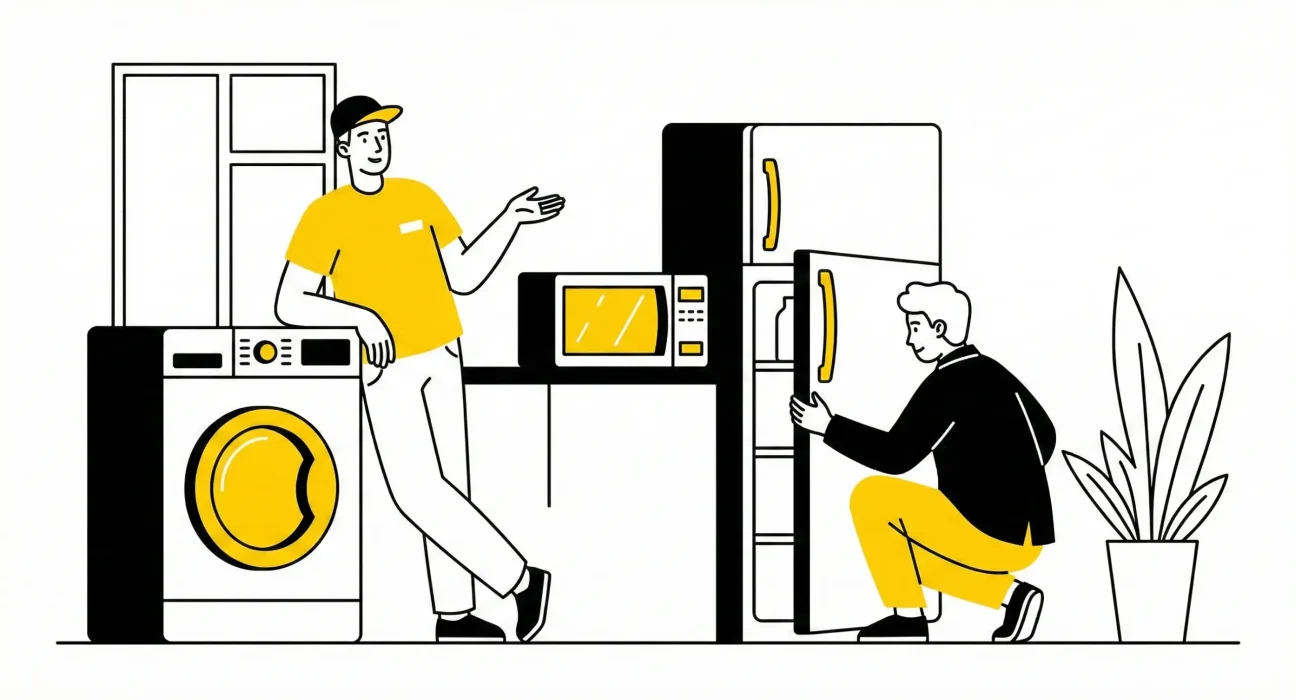
You’ve got a washing machine, refrigerator, or microwave that still works fine, but you’re upgrading or moving and don’t need it anymore.
The appliance has value. Someone will buy it. But the moment you think about selling, questions pile up. What specifications should you mention? What if buyers ask technical questions you can’t answer? How do you price something when you don’t know watts, litres, or star ratings?
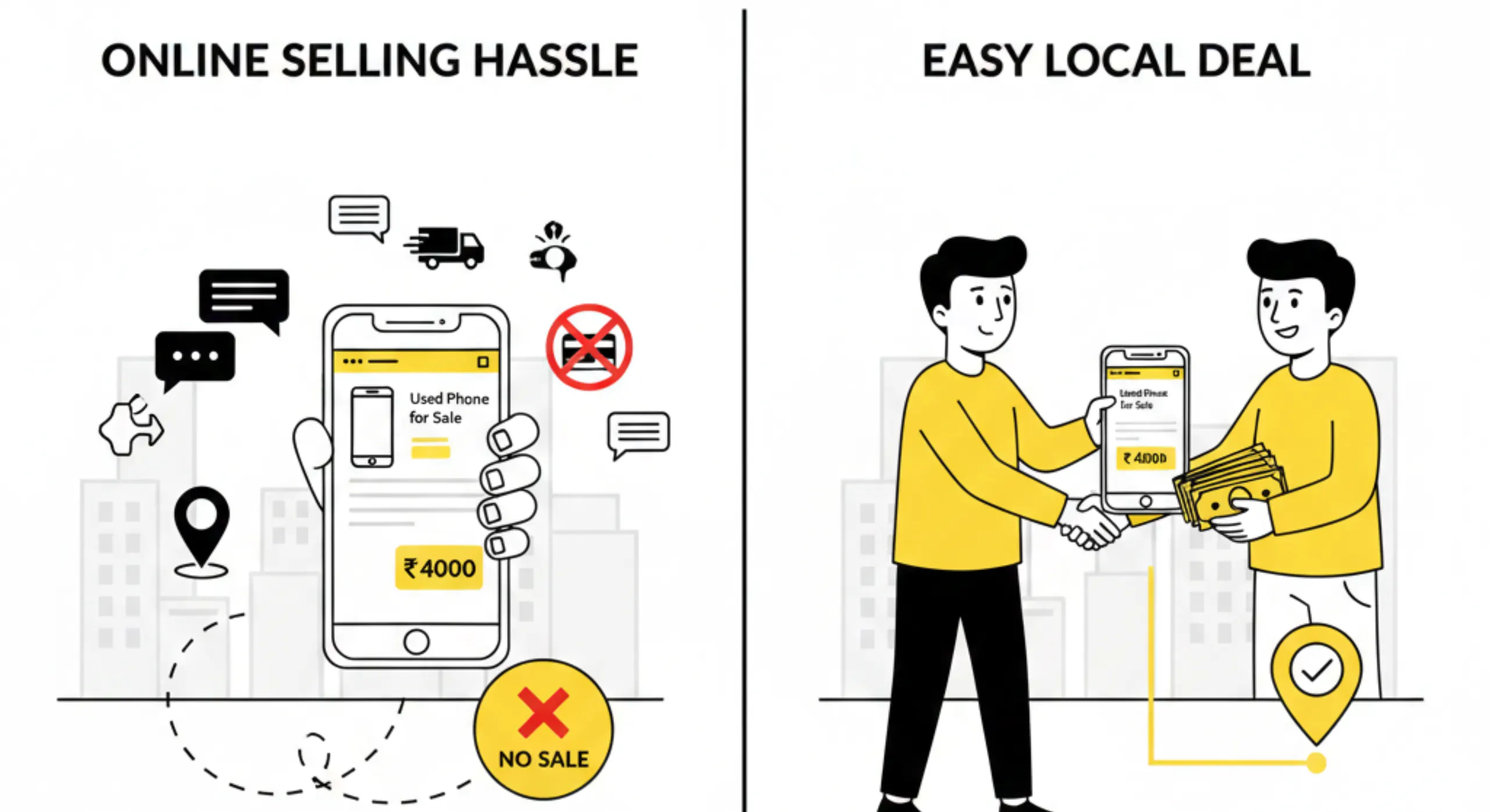
Most online platforms make this worse. They ask for detailed specs, model numbers, and feature lists that you’re supposed to fill in perfectly. If your listing looks incomplete or unclear, it gets ignored. And even when you do post, you’re competing with professional sellers who know exactly how to make their listings stand out.
Local classifieds work differently. You don’t need to be an expert. You describe the appliance in plain terms what it is, how long you’ve used it, and its condition. Buyers nearby see your listing, ask whatever questions they have, and come check the item themselves. The conversation happens naturally, without technical jargon getting in the way.
Why Selling Appliances Feels Complicated
The biggest challenge with selling home appliances is feeling like you need to know everything about them.
Buyers ask about energy consumption, capacity, noise levels, and features you’ve never paid attention to. You don’t remember the exact model number or when you bought it. The original bill is lost somewhere, and the user manual is long gone.
This makes you hesitate. What if you say something wrong? What if the buyer knows more than you and catches you out? What if your listing looks amateur compared to others?
Most platforms don’t help. They’re designed for people who sell appliances regularly dealers and refurbishers who know technical details by heart. If you’re just a regular person selling one fridge or one washing machine, you feel out of place.
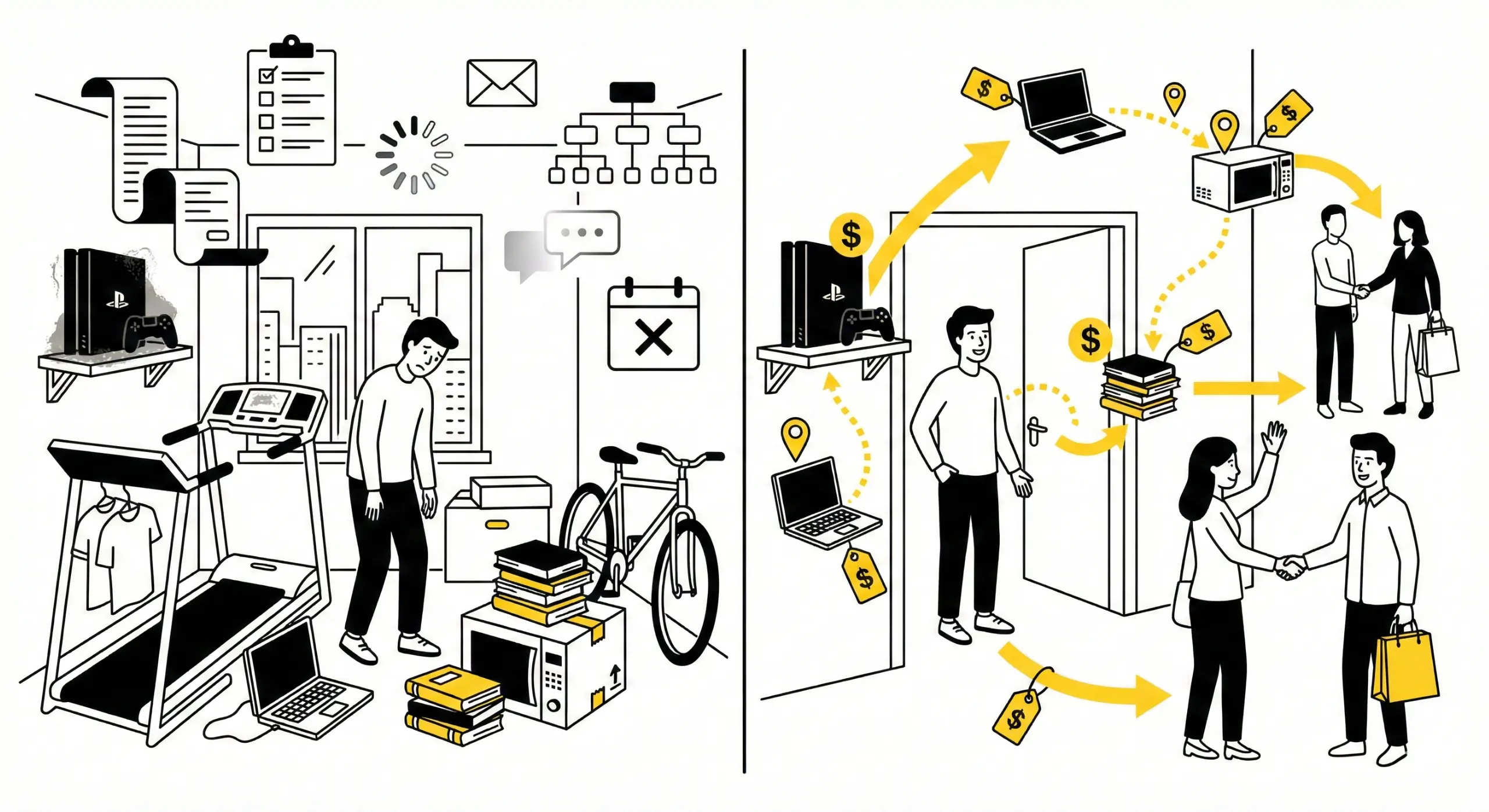
And even when you manage to post a listing, you might get inquiries from buyers far away who expect you to arrange delivery, provide warranties, or answer endless questions over chat. It becomes exhausting, and the appliance continues sitting in your home taking up space.
What Buyers Actually Care About
Here’s the reality: most buyers aren’t looking for technical perfection. They want to know if the appliance works, if it’s in decent condition, and if the price is fair.
When you buy and sell locally, the conversation stays practical. Buyers ask questions like:
- Does it work properly?
- How old is it?
- Are there any visible issues or damages?
- Why are you selling it?
- Can I come see it and test it?
These are questions you can answer without technical knowledge. You don’t need to know the compressor type or the motor specifications. You just need to be honest about what you know.
The appliance itself tells the story when buyers come to see it. They can look at its condition, turn it on, hear how it sounds, and decide if it meets their needs. Your role is just to provide access and answer basic questions truthfully.
Describing Appliances in Simple Terms
You don’t need complicated descriptions to sell items fast. Plain, honest language works better.
Here’s how to describe common appliances without technical jargon:
Refrigerator
Mention the brand, approximate age, and size (single door or double door is enough you don’t need exact litres). Say if the freezer works well, if there are any scratches or dents, and if cooling is strong. Mention if you still have the original shelves and trays.
Washing machine
State whether it’s front-loading or top-loading, the brand, and how long you’ve used it. Mention if it washes and drains properly. If there’s rust or noise, say so. Buyers appreciate honesty more than perfection.
Microwave or oven
Describe the brand and size (small, medium, large). Mention if all functions work heating, defrosting, grilling if it has that. Say whether the turntable rotates smoothly and if the door closes properly.
Air conditioner
Mention the brand and whether it cools well. Say how many years you’ve used it and if it’s been serviced recently. If you know it’s a 1-ton or 1.5-ton, mention that, but if you don’t, it’s okay buyers can see it when they visit.
Television
State the brand and screen size if you know it (or just say small, medium, or large). Mention if it’s LED or smart TV. Say if the picture and sound are clear, if the remote works, and if there are any dead pixels or lines on the screen.
Water purifier or geyser
Describe the brand and whether it’s working properly. For purifiers, mention if filters were changed recently. For geysers, mention the capacity if you know it, or just say it heats water quickly.
You’re not writing a product manual. You’re telling another person what you know about an item you’ve used. That’s enough.
Taking Photos That Show Real Condition
Good photos matter more than technical specs when selling locally.
Take clear pictures in decent lighting. Show the appliance from the front and sides. If there are scratches, dents, or worn areas, photograph them too. Buyers trust sellers who show both the good and the not-so-perfect parts.
Include a photo of any labels or stickers on the appliance. These often have the brand, model, and capacity information. Buyers who care about specs can read them from your photo without you needing to type everything out.
If the appliance is currently in use, show that. A fridge with items inside or a washing machine mid-cycle proves it’s working. These honest, real-life photos build more trust than staged, perfect shots.
How Local Selling Removes Pressure
When you connect with local buyers and sellers, the entire process becomes less stressful.
Buyers understand they’re buying a used appliance from a regular person, not a showroom. They don’t expect you to know every technical detail or provide extensive warranties. They just want to see the item, check if it works, and negotiate a fair price.
This direct interaction lets you have normal conversations. If someone asks a question you can’t answer, you can say, “I’m not sure about that, but you’re welcome to come check it yourself.” Most buyers appreciate honesty more than fake expertise.
Being local also means buyers can visit your home, test the appliance, and make their decision on the spot. You don’t need to write paragraphs explaining features. You just let the appliance speak for itself.
And because everything happens face-to-face, there’s less room for misunderstanding. You both see the same item, discuss the same condition, and agree on terms directly. No long back-and-forth over chat trying to clarify things that would be obvious in person.
Pricing Without Overthinking
You don’t need to research every similar appliance online to set a price.
Think about what you paid originally, how long you’ve used it, and its current condition. A five-year-old appliance in working condition typically sells for 30–50% of its original price. Something older or with visible wear should cost less.
When you post on Sympl classifieds, you can check what similar items in your area are listed for. This gives you a realistic range without needing to become a pricing expert.
Start with a fair price and be open to negotiation. Local buyers often prefer to negotiate in person after seeing the item. If someone points out a scratch or mentions that a similar model is cheaper elsewhere, you can adjust on the spot.
What matters most is that the price feels reasonable to both sides. You’re not trying to maximize profit. You’re trying to sell items fast to someone who needs them, while getting fair value for something you no longer use.
Who This Approach Works Best For
Certain people find this straightforward method especially useful.
Families upgrading appliances
When you buy a new fridge, washing machine, or TV, the old one still has life left. Selling it locally to someone nearby clears space without the hassle of complicated online listings.
People relocating to different cities
Moving large appliances across states is expensive. Selling them locally before you move is far more practical, and you get money to put toward new appliances in your next home.
First-time sellers
If you’ve never sold anything online before, starting with appliances through local classifieds is manageable. You don’t need technical knowledge, just honesty and the willingness to let buyers see the item.
Working professionals with limited time
You don’t have time to manage complicated listings, answer dozens of inquiries, or arrange shipping. A quick local sale, one meeting, one transaction fits your schedule better.
Anyone who prefers straightforward dealings over complex processes will find this method less stressful.
Making the Sale Without Complications
Once you connect with a serious buyer, the rest is simple.
Arrange a time for them to visit and see the appliance. Let them plug it in and test it if they want. Answer their questions honestly. If you don’t know something, say so.
If the appliance is heavy like a fridge or washing machine, discuss how they’ll transport it. Most buyers come prepared with a tempo or a vehicle. Some bring help to lift and load. Because it’s local, this becomes their responsibility, not something you need to solve.
Agree on the price after they’ve seen the condition. Most local buyers pay in cash on pickup, or use UPI. Some prefer to pay after loading the appliance into their vehicle, which is fine if you’re both comfortable with that.
If you still have the original bill, remote control, user manual, or warranty card, hand those over. If not, don’t worry. Most buyers of used appliances don’t expect these.
The key is keeping things transparent. You’re selling an appliance you’ve used, to someone who’s seen it and decided it meets their needs. That’s the entire transaction.
Why Sympl Classifieds Work Better for Appliance Sales
Crowded marketplaces are built for volume and professional sellers.
Your single washing machine or fridge listing competes with dealers who post dozens of appliances daily. They have professional photos, detailed specs, and aggressive pricing. Your honest, sympl listing gets buried.
Sympl classifieds focus on proximity and directness. When someone searches for a fridge or microwave in your area, they see your listing because location matters. You’re not competing with commercial sellers from other cities. You’re connecting with real people nearby who want to buy and sell locally.
This keeps the process human. No algorithms deciding who sees your post. No pressure to pay for better placement. Just a straightforward way for nearby buyers to find what you’re selling.
For buyers, this means finding usable appliances at genuine second-hand prices. For sellers, it means getting rid of items quickly without needing expertise or dealing with complicated logistics.
Moving Forward with Your Sale
Selling home appliances doesn’t require technical knowledge when you do it locally.
You describe the item in simple terms, take honest photos, and let interested buyers come see it for themselves. The appliance’s condition and functionality become obvious during the visit, so you don’t need to be an expert explaining specs over chat.
You save time by connecting with nearby buyers who can actually come, inspect, and complete the transaction quickly. You avoid the stress of shipping, complicated inquiries, or competing with professional sellers.
The appliance you no longer need finds a home with someone who will use it. You get fair value without the hassle. And the entire process stays simple because you’re dealing directly with real people in your own city.
That’s how local buying and selling works best, no expertise required, just honest communication and the practical understanding that seeing something in person answers most questions better than any technical description could.