
You’re looking for a second-hand washing machine. You open a marketplace app and immediately face decisions: filter by price range, condition, brand, capacity, age, seller rating, delivery options, warranty status, and payment methods.
Twenty filters later, you’re staring at hundreds of results half from other cities, a quarter overpriced, and most with vague descriptions.
You close the app. Too much work for a simple purchase.
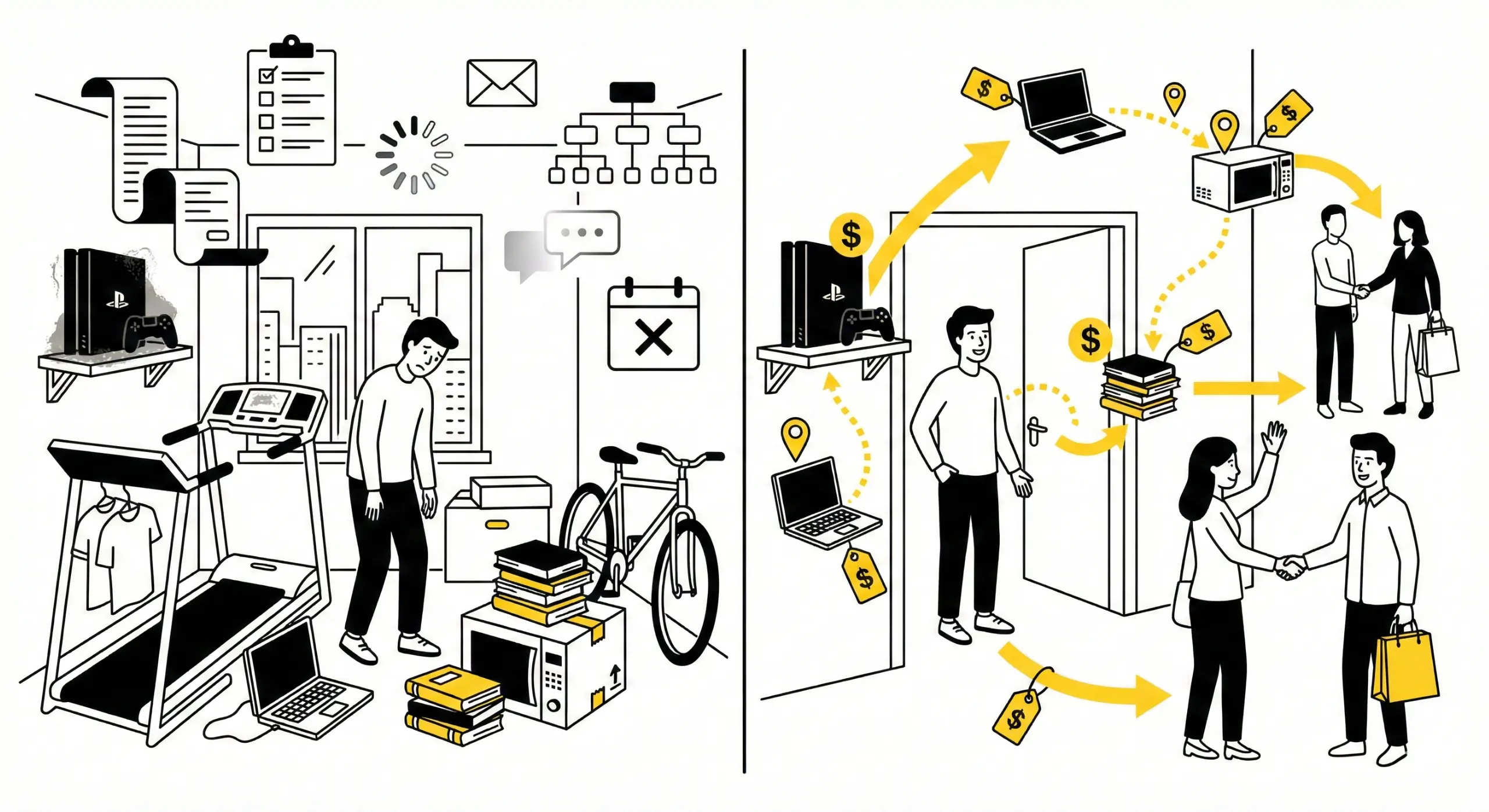
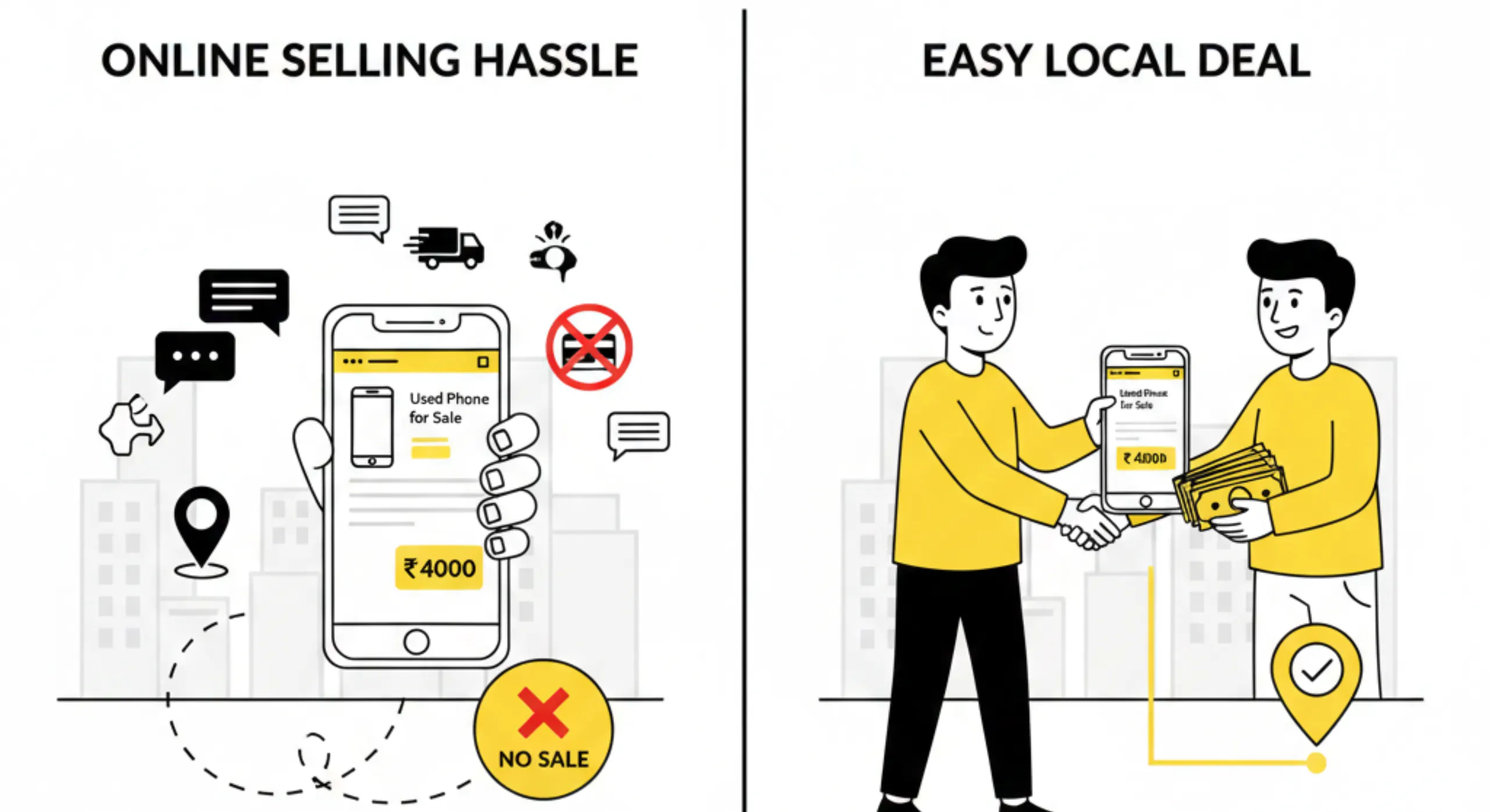
This is the problem with platforms that try to be everything to everyone. They add features buyers don’t need and complexity that slows down simple transactions.
In 2026, people expect something different from local marketplaces. They want speed, clarity, and proximity not endless options and complicated processes. Platforms like Sympl succeed because they focus on what buyers actually need: simple ways to buy and sell locally without unnecessary friction.
How Buyer Expectations Have Evolved
Five years ago, buyers tolerated complex platforms because alternatives were limited.
Not anymore.
People have experienced enough online shopping, enough failed transactions, and enough wasted time to know what works and what doesn’t.
Speed is non-negotiable
Buyers don’t wait days for responses. If a seller doesn’t reply within hours, they move to the next listing.
Simplicity beats features
Fancy recommendation algorithms and advanced filters matter less than finding what you need quickly.
Local is essential
National listings feel irrelevant. Buyers want items they can inspect today and take home tomorrow.
Direct communication expected
Platform messaging systems feel slow. Buyers want to call or WhatsApp sellers immediately.
Transparency required
Clear photos, honest descriptions, real locations. No hiding behind vague listings or misleading information.
Mobile-first assumed
If it doesn’t work perfectly on phones, it’s not worth using. Computers are for work, not browsing classifieds.
These aren’t preferences. They’re expectations. Platforms that don’t meet them lose users to those that do.
What Buyers Actually Want in 2026
The gap between platform offerings and user needs has never been clearer.
Instant results
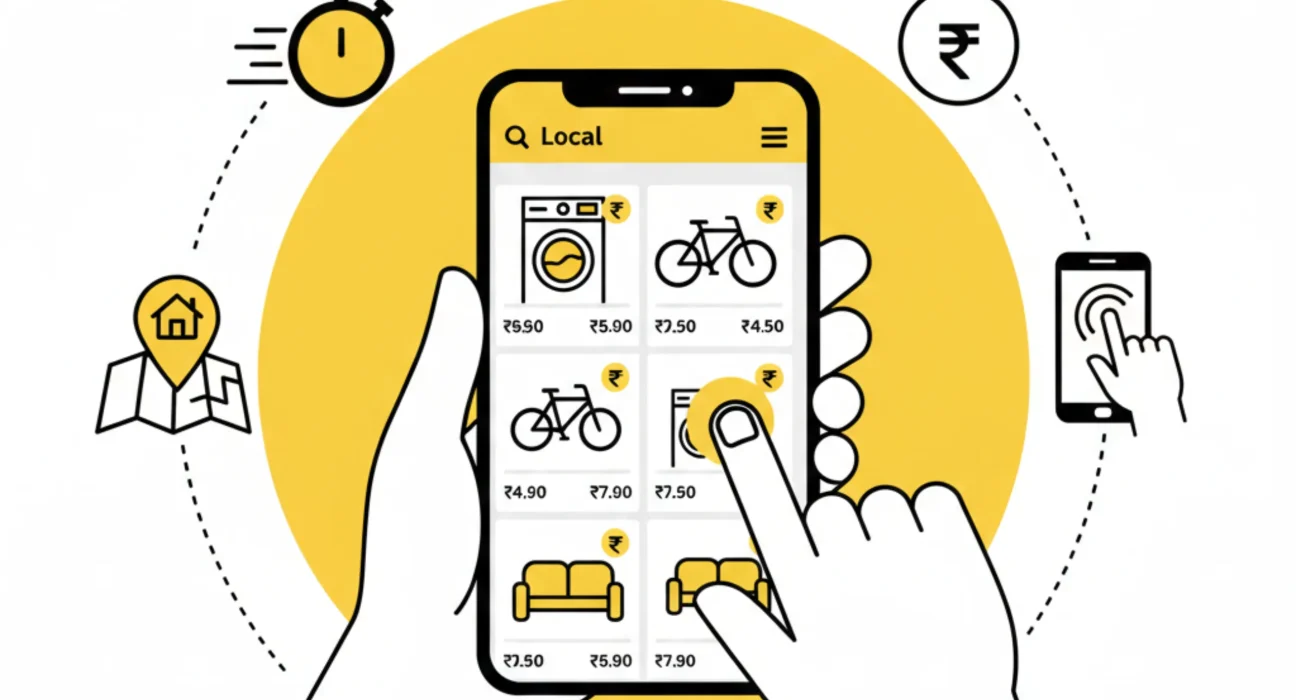
Search for “bike in Koramangala” and see bikes available in Koramangala. Not bikes across Bangalore with complex filtering required.
Clear pricing
One number. Not “starting from” or “negotiable within range” or prices hidden until you message.
Real photos
Actual pictures of the specific item, not stock images or heavily edited shots that misrepresent condition.
Accurate locations
Neighborhood-level precision. “Indiranagar” is useful. “Bangalore” is not.
Seller contact details
Direct phone numbers or WhatsApp links. No waiting for platform notifications or checking apps constantly.
Straightforward listings
Item name, condition, price, location. That’s enough. Long descriptions with marketing language feel suspicious.
Quick coordination
Ability to meet the same day or next day. Scheduling shouldn’t require a week of back-and-forth.
When platforms like Sympl deliver these basics well, everything else becomes secondary.
Real-Life Buying Scenarios in 2026
Student buying textbooks
Arjun needs semester books urgently. He searches “engineering textbooks” in his college area on Sympl, sees five listings, messages three sellers via WhatsApp, and arranges to pick up books from a senior the same evening. Total time: two hours from search to purchase.
Professional buying furniture
Meera just moved to a new flat. She browses furniture in her neighborhood during lunch break, finds a bookshelf she likes, calls the seller, arranges to see it after work, and buys it that evening. Transaction complete within 12 hours of starting her search.
Parent buying children’s items
Rajesh needs a study table for his daughter. He filters by “furniture” near his area, sees clear photos and prices, contacts two sellers, visits one home on the weekend, and completes the purchase. No shipping delays, no uncertainty.
Buyer upgrading electronics
Priya wants a better laptop for freelance work. She finds one listed nearby, calls to confirm specs, meets the seller at a café, tests the laptop thoroughly, and buys it. Face-to-face verification gave her confidence to complete the transaction immediately.
In each case, buyers got what they wanted quickly because platforms removed obstacles instead of adding features.
The Speed Expectation
2026 buyers don’t have patience for slow processes.
Listing discovery
If they can’t find relevant items within 30 seconds of opening the app, they leave.
Seller response
If messages aren’t answered within a few hours, buyers assume the item is sold and move on.
Meeting coordination
If scheduling takes more than two or three messages, the deal feels too complicated.
Transaction completion
From first contact to final purchase should take days at most, preferably hours.
This speed requirement isn’t unreasonable. It reflects how people actually live checking phones during commutes, making decisions between tasks, and expecting immediate results.
Simple classifieds that enable quick browsing, instant contact, and fast coordination match these expectations better than platforms requiring extended engagement.
Mobile Experience Is Everything
Buyers in 2026 assume every platform works perfectly on phones.
One-hand browsing
Interfaces designed for thumbs, not mice. Large buttons, simple gestures, minimal typing required.
Fast loading
Listings appear instantly. No waiting for images to load or pages to render.
Minimal data usage
Lightweight platforms that don’t consume mobile data excessively or drain battery.
Direct integration
Tap to call, click to WhatsApp, one-touch contact without app-switching or number copying.
Works on all devices
Budget phones, flagship phones, tablets platform performs consistently across devices.
Offline functionality
Saved searches and favorites accessible even with poor connectivity, syncing when connection returns.
These aren’t advanced features. They’re basic expectations for mobile-first users who live on their phones.
Location Matters More Than Ever
Buyers want hyper-local results, not city-wide or nationwide listings.
Neighborhood precision
“Within 3km” matters more than “same city.” People don’t want to travel 20 kilometers for a ₹2,000 item.
Distance indicators
Clear information about how far away each item is. “2.5 km away” helps decision-making.
Map integration
Visual representation of where items are located relative to current position.
Location-first sorting
Default view shows nearest items first, not “most relevant” by some algorithm.
Area-specific browsing
Ability to check what’s available in specific neighborhoods useful when visiting family or friends in other areas.
When you buy and sell locally, proximity is the primary filter. Everything else is secondary.
Communication Preferences in 2026
Platform messaging feels outdated to modern buyers.
Direct calling preferred
For quick questions or urgent purchases, voice calls get answers immediately.
WhatsApp as standard
Everyone uses it daily. Messaging sellers through WhatsApp feels natural, not like adopting a new tool.
No app dependencies
Buyers don’t want to keep checking marketplace apps for message notifications. Direct communication solves this.
Voice notes accepted
When typing is inconvenient, voice messages work well for both questions and responses.
Photo exchanges easy
“Can you send another angle?” answered in seconds via WhatsApp camera.
Platforms that enable these natural communication methods work better than those forcing everything through proprietary messaging systems.
Trust Through Verification, Not Features
Buyers in 2026 trust what they can verify, not what platforms claim.
In-person inspection valued
Meeting to check items before paying beats any payment protection scheme.
Seller responsiveness matters
How quickly and clearly sellers communicate indicates reliability better than ratings.
Local accountability counts
Knowing sellers are nearby creates natural trust through community proximity.
Honest listings preferred
Sellers who acknowledge minor flaws in descriptions feel more trustworthy than those claiming perfection.
Direct interaction builds confidence
Phone conversations reveal more about legitimacy than profile badges or verification checkmarks.
Simple classifieds like Sympl that facilitate these verification opportunities serve buyers better than platforms trying to engineer trust through features.
Price Transparency Expectations
Hidden costs and unclear pricing frustrate modern buyers.
One clear number
The listed price should be the actual price, not a starting point for discovery of additional fees.
No surprise charges
Platform fees, service charges, or mandatory promotions feel deceptive when they appear after browsing.
Negotiation welcomed
Buyers expect to discuss price directly with sellers, not through platform-mediated systems.
Market context visible
Seeing similar items’ prices helps buyers judge if a listing is fair without extensive research.
No pressure tactics
Countdown timers, “only 2 left,” or artificial urgency feel manipulative rather than helpful.
Low-cost buying means knowing exactly what you’ll pay without navigating hidden fee structures.
Who Benefits From Meeting Modern Expectations
Students
Need quick, cheap transactions that work from phones. Expect to find textbooks, electronics, and furniture near campus within minutes.
Working professionals
Limited time means they expect efficient platforms. Search during breaks, coordinate quickly, complete transactions without ongoing management.
Families
Buying children’s items, furniture, or appliances. Value transparency, local availability, and ability to inspect before purchasing.
First-time buyers
Expect intuitive interfaces that don’t require tutorials. I want simplicity over features.
Budget-conscious users
Seeking affordable second-hand items. Expect clear pricing without hidden costs eating into savings.
Tech-comfortable seniors
Using smartphones but preferring straightforward apps without unnecessary complexity.
Anyone valuing their time and money benefits from platforms that meet modern expectations without overcomplication.
What Buyers Don’t Want Anymore
Understanding what buyers reject is as important as knowing what they expect.
Complicated onboarding
Mandatory account creation, profile completion, and verification before browsing feels like a barrier.
Algorithm-determined results
Buyers want control over what they see. “You might like” suggestions feel intrusive when they just want nearby items.
Forced app downloads
Mobile web should work perfectly. Requiring app installation for basic functionality creates friction.
Platform lock-in
Once contact is made, buyers want to communicate directly without platform mediation.
Over-designed interfaces
Fancy animations, complex menus, and feature-heavy dashboards slow down simple tasks.
Pressure to rate and review
Constant prompts to provide feedback feel demanding rather than helpful.
Platforms that avoid these annoyances through simplicity serve modern buyers better.
Cost Consciousness in 2026
Economic awareness shapes buyer expectations around pricing and value.
No tolerance for junk fees
Service charges, convenience fees, payment processing costs all feel like ways to inflate prices.
Shipping seen as waste
For local items, courier charges represent money that could’ve reduced the purchase price.
Platform fees questioned
“Why am I paying extra for you to connect me with someone nearby?” is a reasonable question buyers ask.
Value over features
Buyers would rather save money than get platform features they didn’t request.
Direct pricing preferred
Paying the seller directly feels fairer than payments routing through platforms that take cuts.
When you sell items fast through platforms without these extra costs, both buyers and sellers benefit financially.
Environmental and Sustainability Awareness
While not the primary driver, sustainability influences 2026 buying decisions.
Local reduces emissions
Buyers recognize that nearby purchases avoid shipping’s carbon footprint.
Reuse feels responsible
Extending item lifecycles through second-hand purchases aligns with environmental values.
Less packaging waste
In-person pickups eliminate the boxes, bubble wrap, and plastic that courier deliveries generate.
Community resource sharing
Local buying and selling creates circular economies within neighborhoods.
Platforms that make local transactions easy enable these environmental benefits naturally, without making sustainability the marketing message.
The Expectation of Simplicity
Above all, 2026 buyers expect platforms to be simple.
They don’t want to learn new systems. They don’t want features they didn’t ask for. They don’t want complexity justified by supposed sophistication.
They want to find items nearby, contact sellers directly, meet quickly, and complete transactions without friction.
Platforms like Sympl succeed by meeting this fundamental expectation. Everything unnecessary has been removed. Everything essential works smoothly.
That’s not minimalism as a design trend. That’s respecting that buyers have better things to do than navigate complicated marketplaces for simple purchases.
Final Thoughts
2026 buyers don’t expect miracles from local marketplaces. They expect the basics done well.
Fast results. Clear information. Direct contact. Local focus. Honest pricing. Mobile-friendly design.
When platforms deliver these fundamentals without adding unnecessary complexity, buyers respond by actually using them.
When you buy and sell locally through platforms like Sympl, you’re using tools built for how people actually shop in 2026 not how platforms think they should shop.
The most successful marketplaces aren’t the most feature-rich. They’re the ones that get out of users’ way and let transactions happen naturally.
That’s what buyers expect now. And that’s what simple classifieds deliver.