
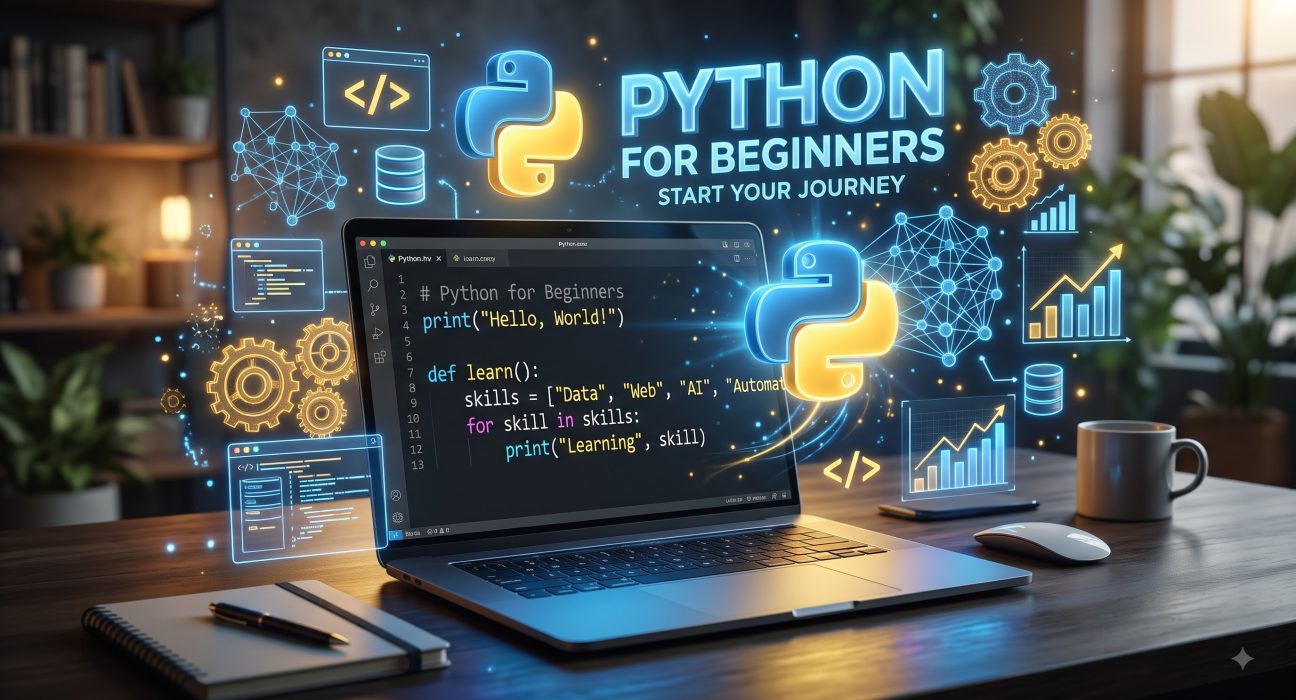
Python is one of the popular programming languages for beginners who want to build a career in the technology industry. Its readable syntax, versatile applications, and extensive ecosystem make it useful for web development, automation, data analysis, and artificial intelligence. Enrolling in a Python course for beginners can help students and fresh graduates develop programming fundamentals and prepare for entry-level technology opportunities.
1. Understand the Basics of Python
The first step toward becoming a Python developer is learning the fundamentals of programming. Beginners should understand variables, data types, operators, conditional statements, loops, functions, and error handling.
Python’s straightforward syntax helps new learners focus on programming logic and problem-solving. Regular practice with small coding exercises can build confidence and prepare learners for more advanced concepts.
2. Explore Career Opportunities in Python Development
Learning Python can open pathways to different technology roles, depending on the additional skills and experience you develop.
- Junior Python Developer: Writes, tests, and maintains Python code for software applications.
- Backend Developer: Builds server-side functionality, APIs, and database integrations.
- Automation Developer: Uses Python scripts to automate repetitive tasks and workflows.
- Data Analyst: Uses Python libraries to clean, analyze, and visualize data.
- Machine Learning Engineer: Works with data and machine learning models after developing the required mathematics and machine learning knowledge.
Beginners should choose a career path based on their interests and build the relevant skills for that role.
3. Learn Essential Python Development Skills
A good Python learning plan should cover more than basic syntax. Focus on the following areas:
- Python fundamentals and object-oriented programming
- Data structures and algorithms
- File handling and exception handling
- SQL and database fundamentals
- Git and GitHub for version control
- Debugging and basic software testing
- APIs and web frameworks such as Django or Flask
- Writing clean, readable, and maintainable code
You do not need to master every topic at once. Start with the fundamentals and gradually expand your knowledge through practice.
4. Build Real-World Projects
Practical projects help you apply programming concepts and demonstrate your skills to potential employers. Beginners can start with simple applications and gradually progress to more complex projects.
Examples include:
- Expense Tracker: Record expenses, categorize transactions, and calculate totals.
- Student Management System: Store and manage student information.
- Weather Application: Retrieve weather information through an API.
- Data Analysis Project: Analyze a dataset and present useful insights.
- Task Management Application: Create, update, and organize tasks using Python.
Document your projects, explain the problems they solve, and upload your code to GitHub where appropriate. A portfolio of completed projects can strengthen your job applications.
5. Gain Practical Experience Through Training and Internships
Structured learning can help beginners follow a clear progression from programming basics to practical development. Look for training that includes coding exercises, project work, feedback, and opportunities to apply your knowledge.
Internships can provide additional exposure to team collaboration, development tools, code reviews, and workplace practices. Combining training with practical experience can help you understand how Python is used in professional environments.
6. Prepare for Python Developer Jobs
Before applying for entry-level roles, prepare a resume that highlights your technical skills, completed projects, certifications where relevant, and practical experience.
Practise common Python interview topics, including data types, lists, dictionaries, functions, object-oriented programming, and basic coding problems. Be prepared to explain your projects, the challenges you faced, and how you solved them.
You should also review job descriptions to identify the skills employers expect for the positions you want to pursue.
7. Choose the Right Python Course for Beginners
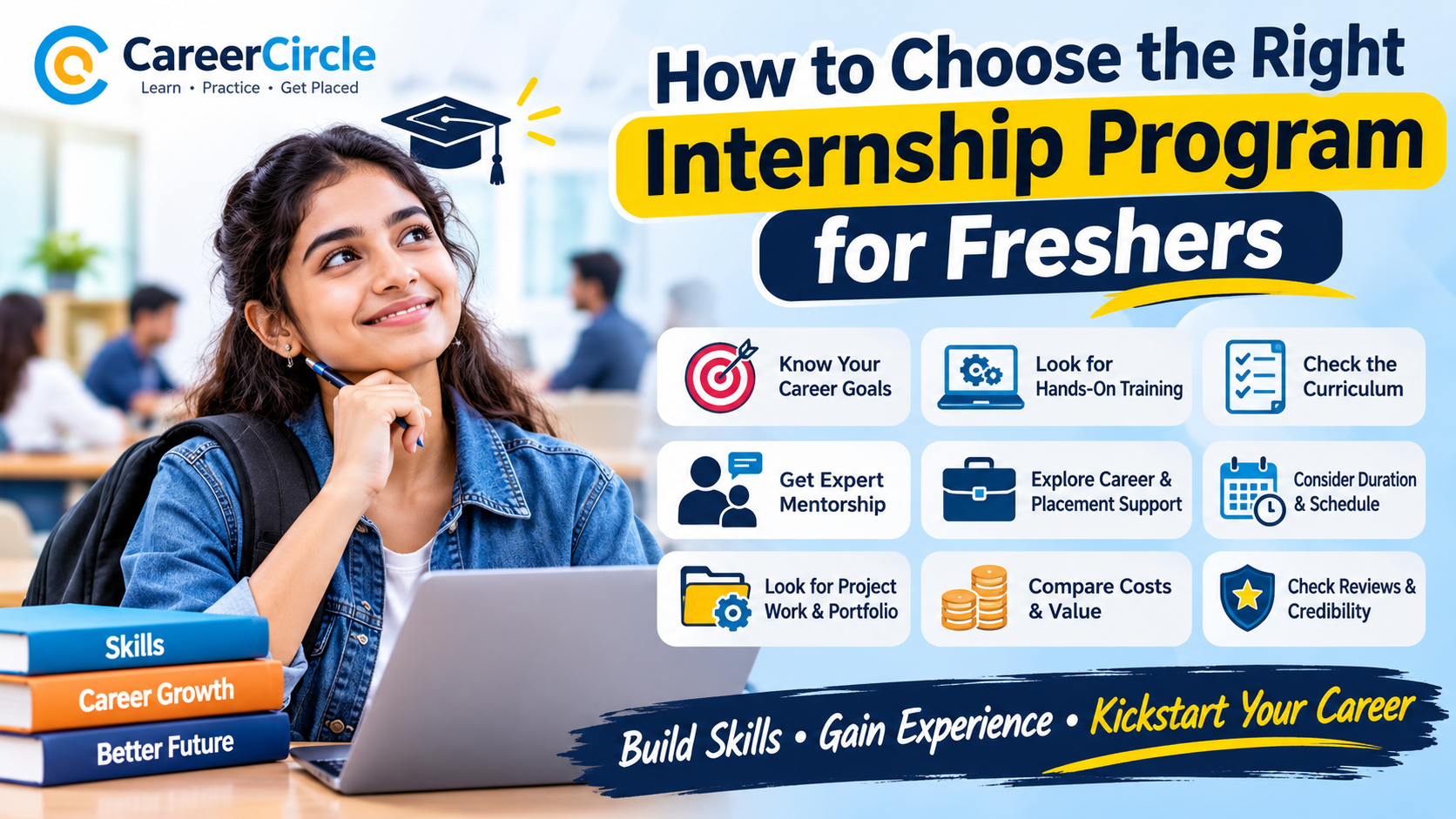
When selecting a Python course, consider whether it offers a beginner-friendly curriculum, hands-on coding practice, practical projects, mentor support, and guidance for preparing for employment.
Career-focused learning can help you establish a learning routine and identify the next skills to develop.
Explore the available programs at CareerCircle to find a learning option that aligns with your interests and career goals. Review each program’s syllabus, eligibility requirements, duration, and support before enrolling.
Conclusion
Starting a career in Python development begins with learning programming fundamentals, practising consistently, and building projects that demonstrate your abilities. As you gain experience, you can explore opportunities in software development, backend engineering, automation, or data analysis.
A Python course for beginners, combined with practical projects and continuous learning, can provide a foundation for pursuing entry-level technology roles. Start with the basics, build your portfolio, and take a structured step toward your development career.