

Starting a career in the technology industry can be challenging for freshers. While academic education provides essential theoretical knowledge, employers also look for practical skills, problem-solving abilities, and experience with real-world tasks. This is why practical training for freshers plays an important role in preparing graduates for entry-level technology jobs.
Bridging the Gap Between Education and Employment
Many fresh graduates understand programming concepts and technical fundamentals but may have limited experience applying them to actual projects. Practical training helps bridge this gap by allowing learners to work on assignments, solve technical problems, and understand how professional teams operate.
Through hands-on learning, freshers can become more familiar with industry tools, development workflows, and workplace expectations. This experience can help them approach job interviews and technical assessments with greater confidence.
Developing Job-Ready Technical Skills
Practical training gives learners opportunities to strengthen skills in areas such as programming, web development, software testing, data analysis, and other technology-related fields. Working on projects helps students understand how theoretical concepts are used in real situations.
It also encourages critical thinking, independent learning, teamwork, and effective communication. These transferable skills are valuable for freshers entering competitive job markets.
Building a Strong Portfolio
A portfolio of completed projects can help freshers demonstrate their abilities to potential employers. Instead of relying only on academic qualifications, candidates can showcase practical work, explain their approach to solving problems, and highlight the skills they have developed.
Participating in structured training programs and project-based learning can help learners build a stronger foundation for their professional journey.
Improving Career Readiness
Career readiness involves more than technical knowledge. Freshers also need to understand workplace communication, professional responsibilities, deadlines, and collaboration. Practical training can introduce learners to these expectations and help them prepare for the transition from college to employment.
Choosing a suitable training or internship program can also help graduates identify their strengths, improve weaker areas, and explore career opportunities aligned with their interests.
Choose the Right Training Program
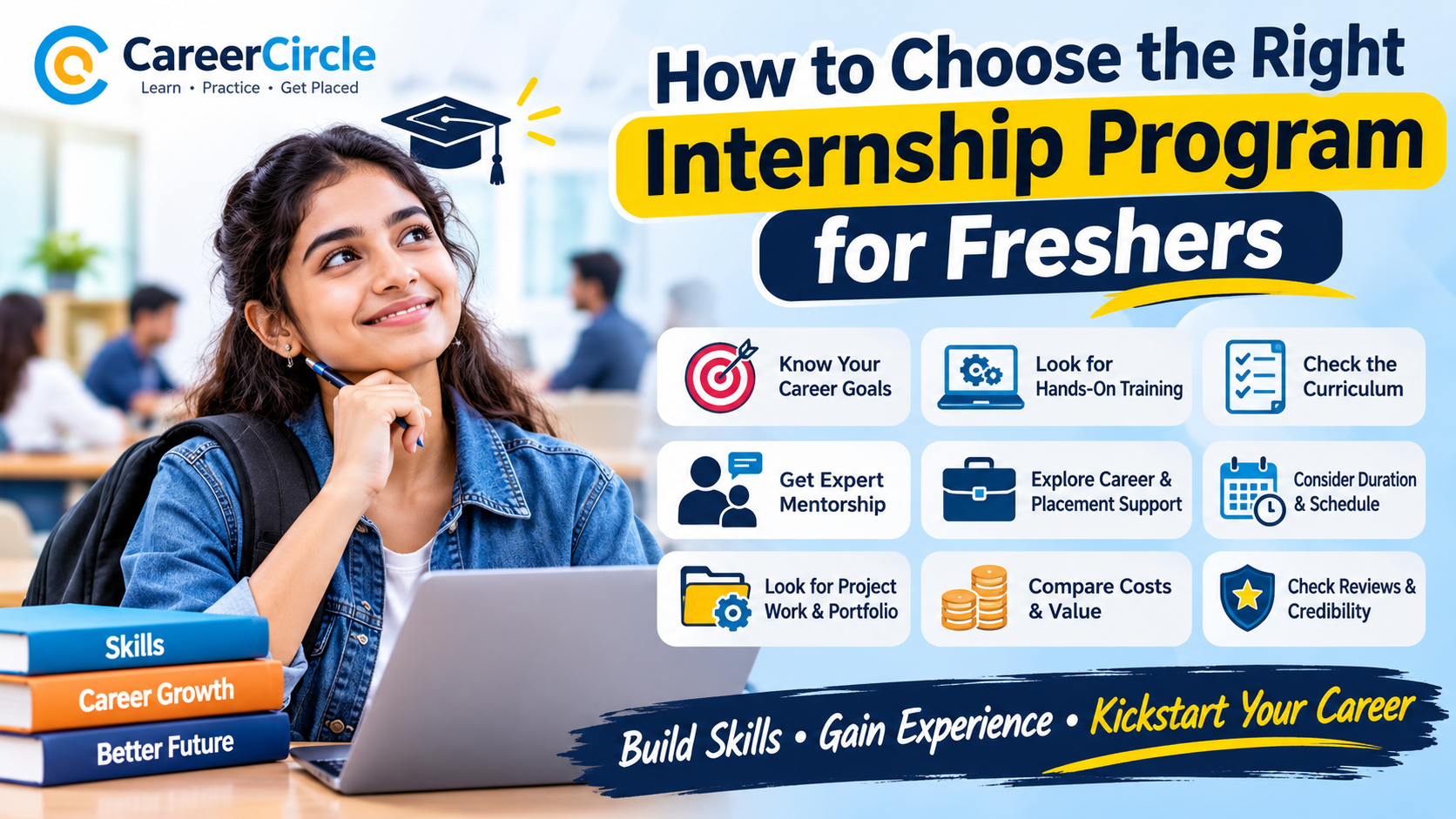
When selecting a training program, freshers should evaluate the curriculum, hands-on projects, mentor support, industry relevance, and career guidance offered. A program that balances theoretical learning with practical experience can provide a more useful learning experience.
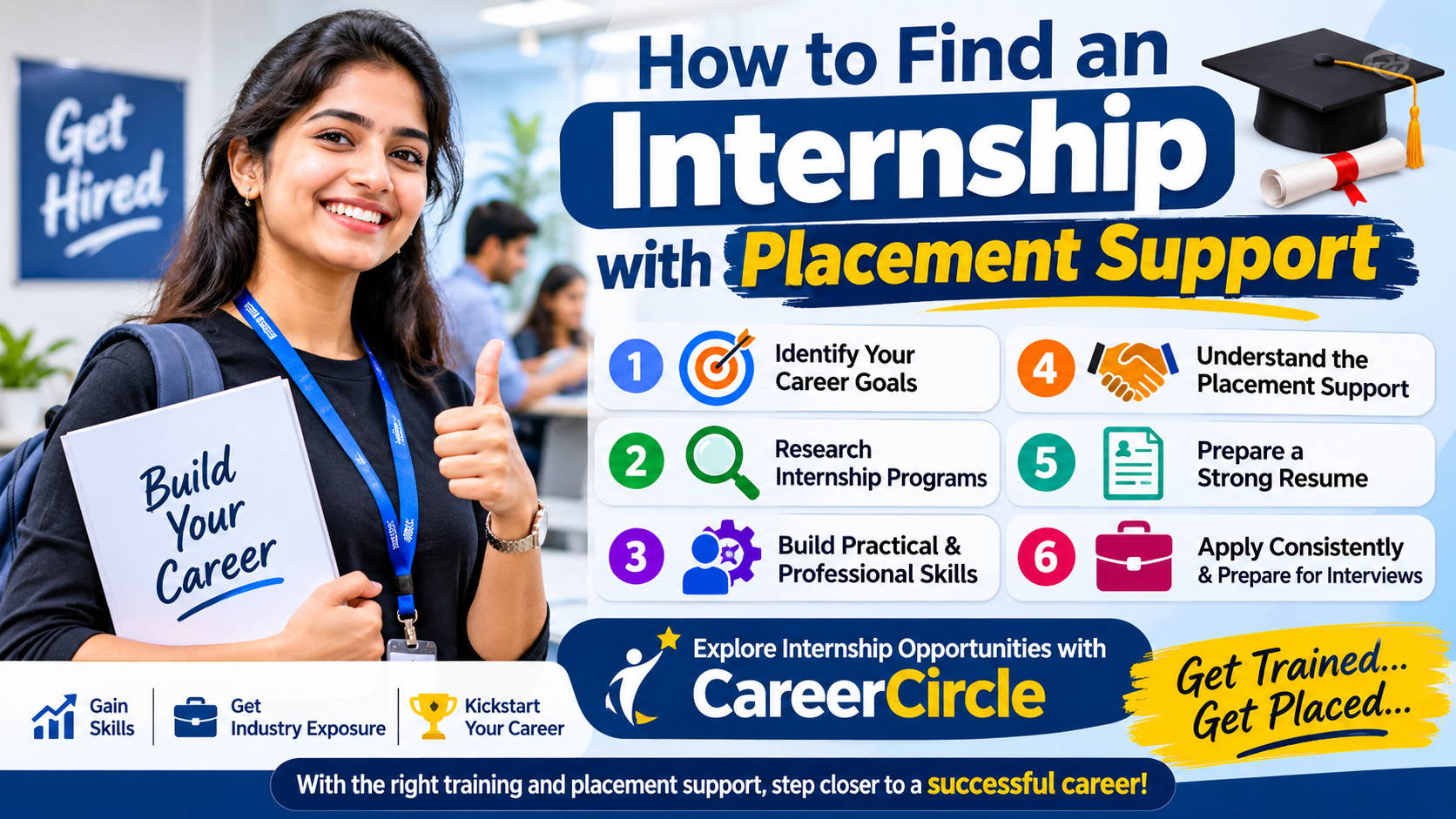
CareerCircle is a platform freshers can explore when researching career development and placement-oriented learning opportunities. Visit CareerCircle to learn more about the available opportunities and find information relevant to your career goals.
Conclusion
Practical experience is an important step toward building a successful technology career. By developing job-relevant skills, completing projects, and improving workplace readiness, freshers can prepare themselves for entry-level opportunities. Investing time in practical training can help graduates move from academic learning toward a more confident and career-focused future.