
Choosing the right 100% job guarantee course can help freshers and graduates prepare for employment with practical skills, industry knowledge, and structured placement support. However, before enrolling, students should understand what the job guarantee actually covers, what skills the course teaches, and what conditions they must meet to qualify for placement assistance.
For students planning to start their careers, the best course is one that combines relevant training, practical experience, interview preparation, and transparent placement policies. Here are the essential factors to consider before choosing a program.
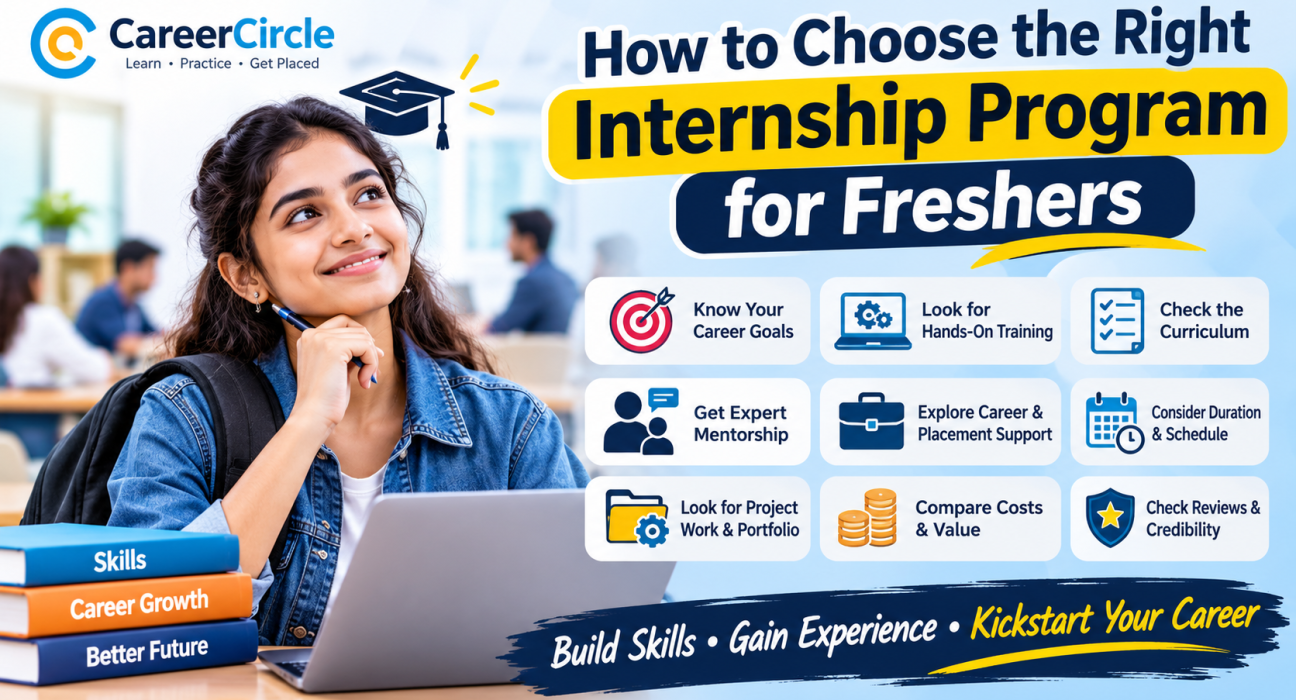
1. Check the Course Curriculum
A good job-oriented course should teach skills that match current industry requirements. Before enrolling, review the syllabus and confirm that it covers relevant tools, technologies, and practical concepts for your chosen career path.
Look for courses that include hands-on assignments, real-world examples, and projects that help you apply what you learn. A well-structured curriculum can help freshers build confidence and demonstrate their abilities to potential employers.
2. Understand the Job Guarantee Policy
The term “100% job guarantee” can mean different things depending on the training provider. Some institutes offer interview opportunities, while others provide placement assistance or refunds under specific conditions.
Before paying the course fee, ask for the complete written policy. Check the eligibility requirements, placement timeline, definition of a qualifying job, and what happens if you do not receive a suitable offer. Understanding these details can help you make an informed decision.
3. Look for Practical Training and Live Projects
Practical experience is important when preparing for your first job. Choose a course that provides opportunities to work on assignments, case studies, and industry-related projects.
These activities can help you develop problem-solving abilities, technical knowledge, and a portfolio that demonstrates your skills. Practical training also helps you understand how classroom concepts apply to real workplace situations.
4. Evaluate Placement Assistance
A reliable training program should explain exactly how it supports students during the job search. Depending on the provider, services may include resume preparation, mock interviews, aptitude training, career guidance, job referrals, and employer introductions.
Ask whether the institute works with hiring partners and how it shares job opportunities with eligible students. Also, distinguish between placement assistance and a contractual job guarantee, because they do not necessarily offer the same commitments.
5. Verify Placement Records
Before choosing a course, review the institute’s placement results and student experiences. Ask for information about recent batches, the number of students who completed the program, the number who secured jobs, and the roles they obtained.
Where possible, speak with former students or verify their professional profiles. Look beyond the highest advertised salary and consider typical entry-level roles, relevant employment opportunities, and the quality of placement support.
6. Check Trainer Experience and Learning Support
Experienced trainers can help students understand complex concepts and connect their learning with workplace requirements. Review the trainers’ qualifications, industry experience, teaching approach, and availability for doubt-solving sessions.
A demo class can help you evaluate the teaching quality before making a financial commitment. You should also check whether the program provides learning materials, practice exercises, recorded sessions, or additional academic support.
7. Compare Course Fees and Refund Conditions
Course fees should be transparent and reasonable for the training provided. Ask for a complete breakdown of tuition, registration charges, examination fees, certification costs, and any additional expenses.
Read the refund policy and payment terms carefully. If the institute advertises a money-back or placement guarantee, confirm the exact conditions and deadlines in writing before enrolling.
8. Focus on Communication and Interview Skills
Technical knowledge alone may not be sufficient to secure a job. Employers may also evaluate communication, teamwork, problem-solving, adaptability, and professional behaviour.
Choose a program that includes resume-building sessions, mock interviews, aptitude preparation, and guidance on answering common interview questions. These activities can help you present your qualifications and skills more effectively.
9. Confirm Certification and Career Relevance
Check whether the course offers a certificate and whether the issuing organization is identifiable and verifiable. Consider whether the curriculum and certification are relevant to the roles you want to pursue.
A certificate can support your job application, but employers may also evaluate your practical knowledge, project experience, and ability to perform job-related tasks.
10. Choose a Course That Matches Your Career Goals
Before enrolling, identify the job role you want to pursue and compare programs that prepare students for that career. Consider the course duration, learning format, prerequisites, practical training, and placement support.
The right course should fit your educational background, available time, budget, and career objectives. Avoid selecting a program based only on advertisements or promises of guaranteed employment.
Conclusion
Finding the right 100% job guarantee course requires more than comparing fees or promotional offers. Students should evaluate the curriculum, practical training, placement policy, trainer experience, student outcomes, and refund conditions before making a decision.
A transparent training provider will explain its commitments clearly and help students understand their responsibilities. By comparing these factors carefully, freshers can choose a course that supports skill development, interview readiness, and long-term career growth.
Ready to take the next step in your career? Explore the training programs available at CareerCircle, compare them with your career goals, and review the course details and placement support before applying.
Visit: https://careercircle.co.in/